
In today’s automotive industry, a Vehicle Identification Number (VIN) serves as a unique digital passport for every vehicle. Like DNA contains an organism’s genetic code, a VIN holds all essential information about a vehicle, from its production location to technical specifications.
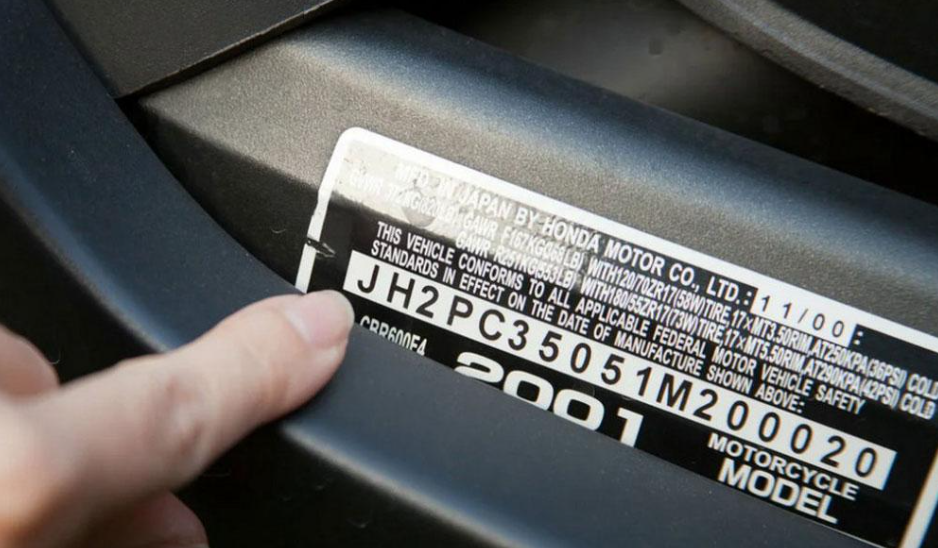
VIN Structure and Significance
A VIN consists of 17 alphanumeric characters, each carrying specific information. The first character indicates the country of manufacture. For instance, «1» signifies the United States. The next two characters (positions 2-3) identify the manufacturer. For example, «FT» represents Ford.
Positions 4 through 8 contain information about the vehicle’s make, engine size, and type. The ninth character is a security code used to detect counterfeit VINs. The tenth position indicates the year of manufacture, while the eleventh shows the assembly plant. The final six digits represent the vehicle’s serial number.
Practical Applications of VIN Check and Its Importance
VIN check has become integral to used car purchases. Modern VIN check services provide comprehensive vehicle histories, including previous ownership, accident involvement, service records, and possible manufacturer recalls.
For auto dealers and resellers, VIN decoding is a crucial tool for vehicle valuation and legal verification. Law enforcement agencies use VINs to track stolen vehicles and combat automotive market fraud.
The significance of VINs extends beyond simple vehicle identification. It serves as protection against counterfeiting, helps track vehicle history, and ensures transparency in used car market transactions. When purchasing a used vehicle, it’s recommended to always verify the VIN in documents matches the number on the chassis and other vehicle parts.
Modern online VIN decoding services provide detailed vehicle reports within minutes. These services analyze information from various databases, including insurance companies, police reports, and service centers.
Notably, the VIN standard continues to evolve. Before 1981, manufacturers used various identification systems, creating difficulties in vehicle tracking and identification. The current 17-character standard was introduced to unify vehicle identification systems worldwide.
For automobile manufacturers, VINs serve as quality control tools and help track vehicle batches when manufacturing defects are discovered. This enables swift recall campaigns and addresses potential safety concerns.
In the digital age, VINs’ importance only increases. They become keys to digital vehicle passports containing complete lifecycle information. This is particularly relevant as automated vehicle management systems develop and cars integrate into smart transportation systems of the future.
Vehicle manufacturers use VINs for quality control and batch tracking, particularly useful when manufacturing defects are discovered. The standardization of VINs has revolutionized how the automotive industry tracks and manages vehicles globally, making it an indispensable tool for everyone from individual buyers to large-scale dealers and regulatory bodies.
The system’s effectiveness lies in its universality and comprehensiveness, providing a standardized method for vehicle identification across different markets and manufacturers. As the automotive industry continues to evolve with new technologies and innovations, the VIN system adapts while maintaining its fundamental role as the definitive source of vehicle identification and history.